
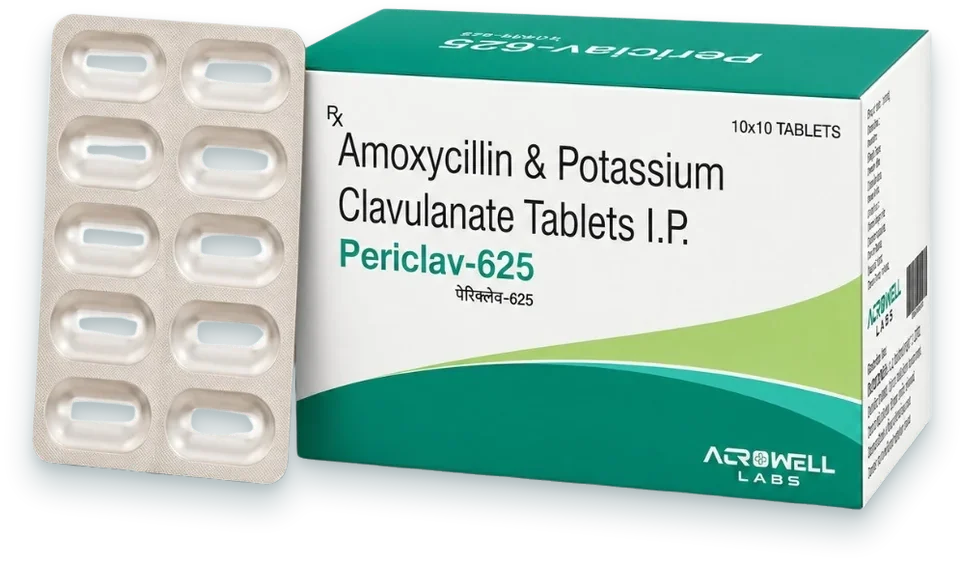
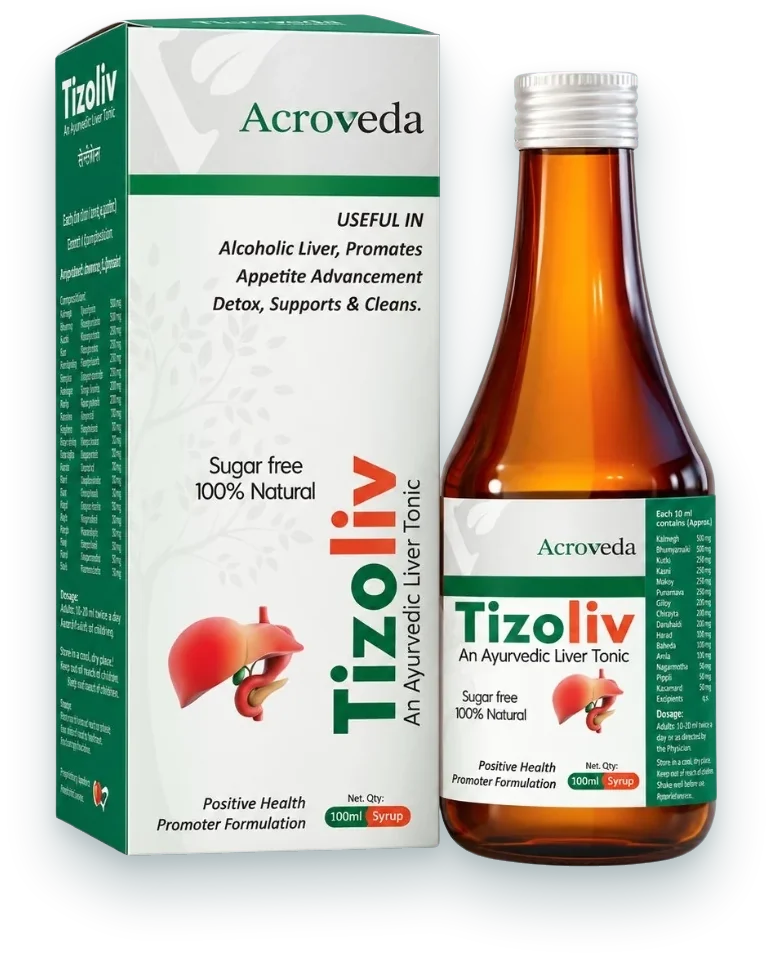
- In a PCD pharma franchise you sell a company's ready brands in your area, with no brand of your own to build.
- In third-party manufacturing a manufacturer makes medicines under your own brand name.
- PCD needs less money and starts fast; third-party gives you your own brand but comes with minimum order quantities, artwork and more capital.
Jump to a section
- What is the difference in one line?
- How do the two compare side by side?
- How does the money flow in each model?
- When does a PCD franchise make more sense?
- When does third-party manufacturing make more sense?
- A worked example: one MR, two paths
- Do I need a drug licence for both?
- What are the common mistakes?
- What should I ask before choosing?
- Which one should I choose?
- Can I do both?
- Frequently asked questions
What is the difference in one line?
With a PCD franchise you market someone else's brand. With third-party manufacturing you own the brand and a manufacturer makes it for you. Everything else, from the money you need to the risk you carry, follows from that one difference.
PCD stands for Propaganda Cum Distribution. The company makes the medicines, prints the packs and supplies the promotional material. You take those brands to doctors, chemists and stockists in your area, and you earn the difference between the partner rate and your selling price.
In third-party manufacturing (also called contract manufacturing or loan licence work) you choose the brand name, approve the pack design and decide the price list. A licensed manufacturer produces the batch for you, and your company is printed on the pack as the marketer.
How do the two compare side by side?
| PCD pharma franchise | Third-party manufacturing | |
|---|---|---|
| Whose brand | The company's brand | Your own brand |
| Who makes it | The company | A contract manufacturer you choose |
| Minimum order | Often none. At Acrowell Labs there is no minimum order on in-stock products | Always a minimum order quantity, set by the manufacturer for each product |
| Money to start | Only the stock you order, plus your licence and running costs | Higher: minimum batches, packaging, artwork and stock for each product |
| Time to first stock | Days. Acrowell dispatches within 24 hours of a confirmed order | Weeks, because artwork, printing, production and testing come first |
| Range on day one | The company's full range to choose from | Only the products you pay to make |
| Marketing material | Supplied by the company (visual aids, literature, samples) | You design and pay for it |
| Control over pack and price | Limited to the company's range | Full control |
| Your risk | Low: buy what sells, reorder as it sells | Higher: unsold stock of your own brand stays with you |
| What you build | Relationships and a territory | Relationships and a brand you own |
How does the money flow in each model?
In a PCD franchise
- You choose products from the company's list and place an order at partner rates.
- The company dispatches the stock with its GST invoice.
- You supply stockists, chemists, doctors' dispensaries and institutions in your area.
- As products sell, you reorder only what moves.
Your money is tied up only in the stock you chose. If a product does not move in your area, you simply stop reordering it and try another from the range.
In third-party manufacturing
- You pick the molecules and register your brand names.
- You approve artwork for the cartons, labels and leaflets.
- You pay for a minimum batch of each product, often with an advance.
- The manufacturer produces, tests and dispatches the batch.
- You sell it through your own network, and you carry whatever does not sell before expiry.
Your money is tied up earlier and for longer: in the batch, the packaging and the stock on your shelves.
When does a PCD franchise make more sense?
- You are an MR or a new distributor and want to start with the doctors and chemists you already know.
- You want a wide range quickly (antibiotics, pediatrics, derma, gynae, cardiac-diabetic) without paying for each product's batch.
- You would rather spend your money on stock and field work than on packaging and artwork.
- You want to test which products move in your area before committing to any of them.
At Acrowell Labs you can start by ordering only the in-stock products you need, with no joining fee. See what a PCD franchise actually costs.
When does third-party manufacturing make more sense?
- You already sell steady volumes of a few products and want your own brand on them.
- You have the capital for minimum batch quantities and can carry stock.
- You want full control over the name, pack design and price list.
- You supply hospitals, institutions or a chain of your own chemists who will take regular quantities.
Minimum order quantities are set by the manufacturer and change with the product and the plant. A tablet, a syrup and a cream will each have their own minimum. Ask for the minimum in writing for every product before you approve artwork.
A worked example: one MR, two paths
Take an example. Ravi has worked as an MR in Ambala for six years. He knows about forty doctors and twenty chemists well, mostly general physicians and pediatricians. He has his drug licence and GST number in hand.
Path A, PCD franchise. Ravi lists the twenty molecules his doctors prescribe most, matches them to products in the company's range and orders a small quantity of each. The stock is dispatched the day after his order is confirmed. In his first month he learns that his pediatricians move syrups faster than his physicians move tablets, so his second order leans towards syrups. If a product sits on his shelf, he stops reordering it. He has paid for nothing except stock, his licence and his own field work.
Path B, own brand. Ravi picks five molecules, registers five brand names and approves five sets of artwork. Each product has its own minimum batch, so he pays for five batches before he sells a single strip. Production and testing take weeks. When the stock arrives, all five products are his alone, including any that his doctors do not take to.
Neither path is wrong. Path A lets Ravi learn his market with little at stake. Path B makes sense once he knows, from real sales, which products his market takes every month.
Do I need a drug licence for both?
Yes. To buy and sell medicines in either model you need a wholesale drug licence (Forms 20B and 21B) and GST registration. Under third-party manufacturing the manufacturer holds the manufacturing licence; your company is named on the pack as the marketer. How the wholesale drug licence works.
For your own brand you should also check that the brand name is not already registered or in use, on the trade marks registry at ipindia.gov.in, before you print a single carton.
What are the common mistakes?
- Launching your own brand before you know your market. Many first-time owners pay for batches of products their doctors never prescribe.
- Agreeing to minimum batches by phone. Get every product's minimum, price and timeline in writing.
- Ignoring expiry. A large batch that sells slowly can reach expiry on your shelf. Plan quantities against what you actually sell.
- Choosing a PCD company only on the lowest rate. Check the company first: registration, GST, licence, WHO-GMP manufacturing and a written agreement. Use this checklist.
- Taking too many products at once. In either model, start with what your doctors already write.
What should I ask before choosing?
Ask a PCD company
- Which products are in stock today, and is there any minimum order on them?
- How soon is an order dispatched, and which transport partner reaches my town?
- What promotional material comes with the range: visual aids, literature, samples, MR bags?
- Is my district open, and how are territory terms written into the agreement?
- What is the policy on breakage and near-expiry stock?
Ask a third-party manufacturer
- What is the minimum batch for each product, in writing?
- Who designs the artwork, and how many rounds of changes are included?
- How long from artwork approval to dispatch?
- Which plant makes the product, and does it hold WHO-GMP certification?
- Is the advance refundable if a product is delayed or changed?
Clear, written answers to these questions tell you more about a supplier than any brochure.
Which one should I choose?
A simple rule works for most people. If you cannot yet say which ten products sell every month in your area, start with a PCD franchise and find out. If you can name them, and you have the money to carry minimum batches of each, third-party manufacturing for those few products may be worth it, while a PCD range covers the rest.
Can I do both?
Many partners do. They start with a PCD franchise to build doctor and chemist relationships, then move their best-selling molecules into their own brand through third-party manufacturing, while keeping the PCD range for everything else. Acrowell Labs offers both, so you can grow from one into the other with the same supplier. See Acrowell's third-party manufacturing.
Frequently asked questions
Is third-party manufacturing more profitable than a PCD franchise?
What is the minimum order in third-party manufacturing?
Is there a minimum order for an Acrowell Labs PCD franchise?
Can I switch from PCD to my own brand later?
How long does third-party manufacturing take?
Want to start with Acrowell Labs?
No joining fee, no minimum order on in-stock products, and dispatch within 24 hours of a confirmed order. Tell us your district and we will tell you what is open.