
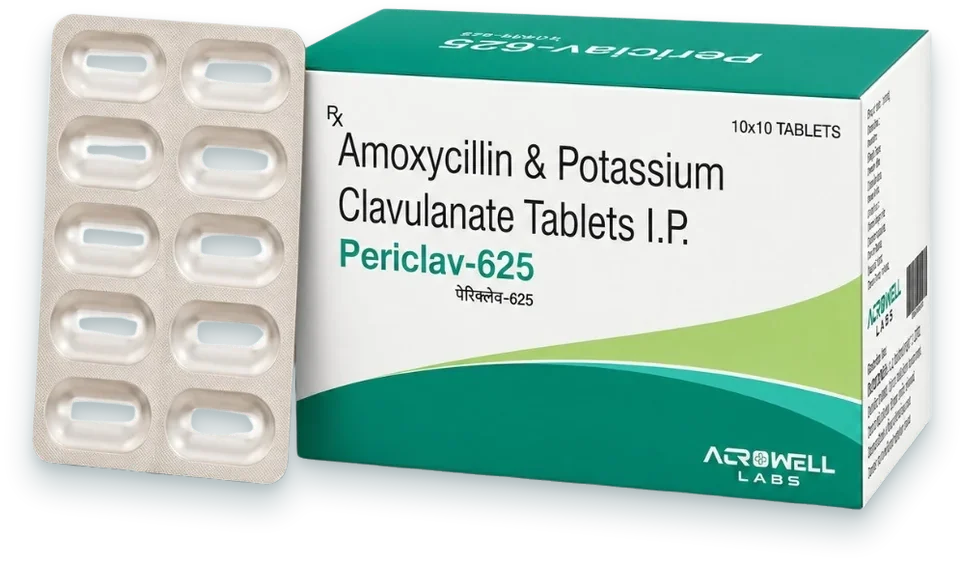
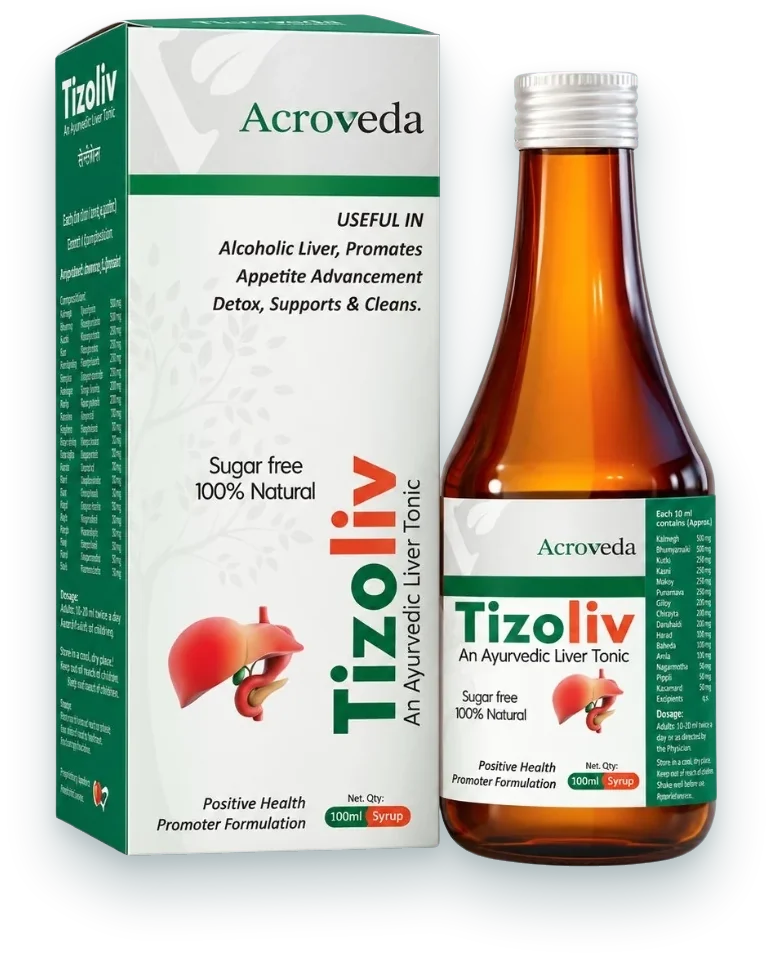
- A derma PCD franchise sells a dermatology and skin-care range to dermatologists, general physicians and chemists.
- Start with the groups your doctors write most, usually antifungal creams and powders, steroid and antibiotic creams, acne gels, antihistamine tablets and basic moisturisers, then add soaps, shampoos and sunscreens.
- Acrowell Dermacare has 54 products across these groups.
Jump to a section
- What makes a derma range different?
- Which product groups does a derma range cover?
- What should I stock first?
- What does a sample starter list look like?
- Who should I sell to?
- Is demand seasonal in derma?
- What should I know about handling derma stock?
- How do I introduce the range to a dermatologist?
- What should I ask a company about its derma range?
- A worked example: building a derma start
- What are the common mistakes?
- Frequently asked questions
What makes a derma range different?
- More dosage forms: creams, gels, ointments, lotions, dusting powders, soaps, washes, shampoos, sunscreens and oils, alongside tablets and capsules.
- Two kinds of products: prescription medicines (for example steroid, antibiotic and antifungal creams, and tablets) and skin-care products (moisturisers, washes, sunscreens).
- Packs matter more: creams and lotions sit on the chemist's counter next to big brands, so packaging and tray packs make a difference.
- Your customers: dermatologists, general physicians who see skin cases, and chemists. Skin-care products also sell on the chemist's recommendation.
Which product groups does a derma range cover?
| Group | Forms | Examples from Acrowell Dermacare |
|---|---|---|
| Antifungal | Creams, lotions, powders, soap, shampoo, tablets | Fungitiz (Luliconazole 1% cream), Acrozol (Ketoconazole 2% cream), Clotson Powder (Clotrimazole 1%), Terbiron-250 (Terbinafine 250 mg) |
| Steroid creams and lotions | Creams, lotions | Acromate (Mometasone 0.1% cream), Acrobate (Clobetasol 0.05% cream), Beclowel Lotion (Beclomethasone) |
| Antibiotic creams | Creams, ointment | Muprox (Mupirocin 2%), Acrodic (Fusidic Acid 2%), Acrodine-SM ointment |
| Acne care | Gels, creams, wash, soap, softgels | Acrocine-A (Clindamycin 1% + Adapalene 0.1% gel), Allowish Face Wash, Acnolite Soap |
| Antihistamine tablets | Tablets | Acrexa-120 (Fexofenadine 120 mg), Acrobast-10 (Ebastine 10 mg), Welldron-10 (Hydroxyzine 10 mg) |
| Moisturisers and skin care | Creams, gels, lotions, soaps | Allowish Cream, Allowish Gel (Aloe Vera), Allowish-E Lotion, Wallam (Calamine lotion) |
| Sun and hair care | Sunscreen, shampoo, lotion, oil | Episafe-30 (SPF 30), Acrozol Shampoo (Ketoconazole 2% + ZPTO 1%), Megain Lotion (Minoxidil 5%) |
| Scabies care | Lotion, soap | Wellrin Lotion (Permethrin 5% + Cetrimide 0.5%), Wellrin Soap |
Product information here is for trade enquiry only. Prescription medicines must be used only on a doctor's advice. See all 54 Acrowell Dermacare products.
What should I stock first?
Start where your doctors write most, and go wide rather than deep:
- Antifungals in more than one form: a cream, a powder and a tablet, because many prescriptions combine them.
- One or two steroid and antibiotic creams that your doctors already use, by composition.
- An acne gel and a face wash, if your area has dermatologists who see many young patients.
- Antihistamine tablets, which appear on many skin prescriptions.
- A moisturiser and a soap, which chemists can also recommend.
Add sunscreens, shampoos, hair lotions and scabies care once you see the requests coming. At Acrowell there is no minimum order on in-stock products, so the first order can be small across all these groups.

What does a sample starter list look like?
Here is one way to lay out a first derma order by group. It is an example to adapt, not a recommendation for any patient: pick the compositions your own doctors already write.
| Group | Start with | Add later |
|---|---|---|
| Antifungal | One cream, one dusting powder, one tablet | Lotion, soap, shampoo |
| Steroid and antibiotic creams | The one or two compositions your doctors use most | Lotions and combinations doctors ask for |
| Antihistamine | One or two tablets | Other strengths |
| Acne | One gel and one face wash | Soap and other gels |
| Skin care | One moisturiser, one soap | Calamine lotion, aloe gel |
| Sun and hair | None until requested | Sunscreen before summer, shampoo, hair lotion |
That is roughly ten to twelve products to begin with, enough to cover most of a typical prescription, without money tied up in slow lines.
Who should I sell to?
- Dermatologists: fewer in number but write the widest range. In smaller towns they may visit only on certain days, so plan visits around their clinic days.
- General physicians: see many common skin cases and write antifungals, antihistamines and basic creams.
- Chemists: stock what local doctors write, and also move moisturisers, soaps and washes on their own.
- Cosmetology clinics: in bigger towns, for skin-care products.
Is demand seasonal in derma?
Partly. In most of India, fungal skin complaints rise in the hot and humid months and the monsoon, while dry-skin products move more in winter and sunscreens in summer. Plan a little extra stock of each group ahead of its season, and use your first year's sales to plan the next.
What should I know about handling derma stock?
- Store creams, gels and lotions away from heat and direct sunlight, as the label says.
- Check tubes and bottles for leaks on delivery, and report breakage with photos and the docket number.
- Keep prescription products like steroid creams and tablets for sale to licensed buyers against proper invoices.
- Watch expiry on slower products, and sell older batches first.
How do I introduce the range to a dermatologist?
- Match compositions first. Dermatologists are specific about molecules and strengths. Show the products that match what they already write.
- Bring the tube, not just the visual aid. In derma the pack, the tube and the texture all matter to the doctor and the chemist.
- Cover the whole prescription. If a doctor pairs a cream with a tablet and a soap, show that you have all three.
- Follow up with the chemist. Make sure the chemist near the clinic stocks what you presented.
- Stay within the rules. Share product information and samples as the pharma marketing code allows, without gifts or payments for prescriptions.
What should I ask a company about its derma range?
- How many derma products do you have, across which forms?
- Are creams supplied in tray packs or plain cartons?
- Which products are in stock now, and is there a minimum order?
- Who manufactures the range, and is the plant WHO-GMP compliant?
- What visual aids and samples come with the range?
- What is the rule for leaking tubes or broken bottles in transit?
Acrowell Dermacare lists all 54 products with compositions and packs, and many creams come in tray packs. What to check in the agreement.
A worked example: building a derma start
Take an example. Arjun starts in Sonipat with two dermatologists and around fifteen general physicians. His visits show that antifungal creams and tablets, antihistamines, and one mometasone cream make up most of what they write, with acne gels from one dermatologist who sees many college students.
His first order covers those groups, plus a moisturiser and a soap the chemists agree to keep. He skips sunscreens until spring. When summer comes he adds a powder and a sunscreen, and by the next monsoon he stocks more antifungals before the season instead of after it.
What are the common mistakes?
- Taking only creams. Many skin prescriptions combine a cream with a tablet or powder.
- Stocking everything at once, including slow cosmetic lines.
- Ignoring the chemist's view: chemists know which skin-care products move in their area.
- Not planning for seasons, so stock arrives after the demand.
Frequently asked questions
What products are in a derma PCD franchise?
How many products does Acrowell Dermacare have?
What should a new derma partner stock first?
Is there a minimum order for Acrowell Dermacare?
Do I need a drug licence for a derma franchise?
Want to start with Acrowell Labs?
No joining fee, no minimum order on in-stock products, and dispatch within 24 hours of a confirmed order. Tell us your district and we will tell you what is open.